- Home
- Site Development
Site Development in Fort Collins, CO
Class 5 Excavating coordinates clearing, grading, utilities, drainage, and earthwork to prepare properties for successful construction and long-term use.
Explore Our Services
Ready to Start Your Excavation?
Tell us about your project, property needs, and timeline to receive clear guidance and dependable next steps.
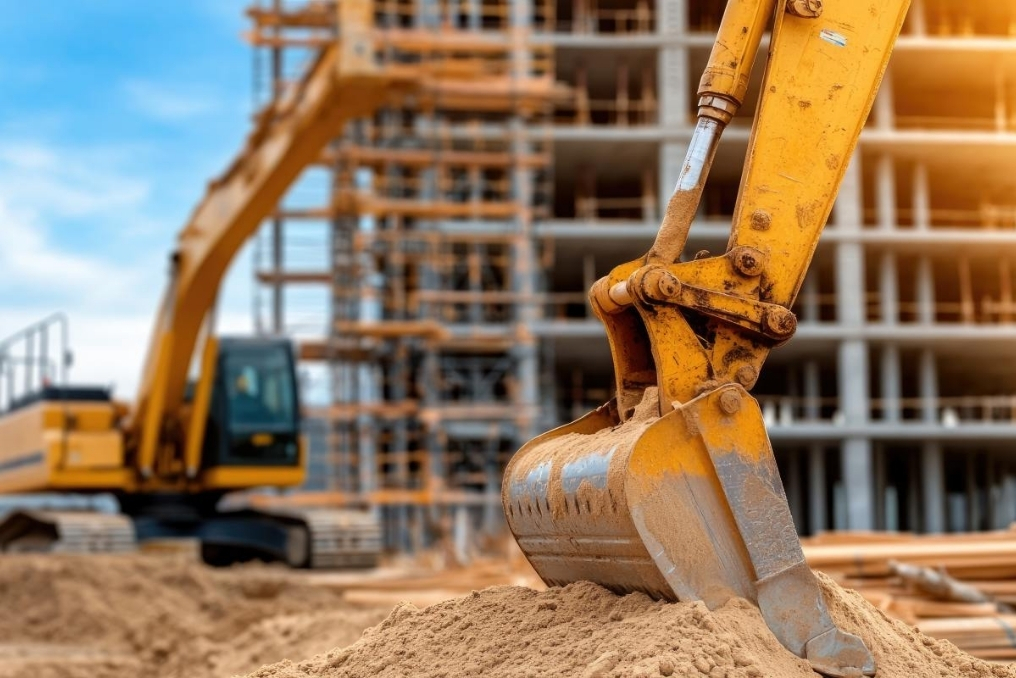
Building the Groundwork for Complete Property Development
Effective site development in Fort Collins, CO brings multiple earthwork phases together under one coordinated plan. Class 5 Excavating studies construction drawings, existing elevations, soil characteristics, drainage routes, utility layouts, and equipment access before shaping the property for its intended use.
Our team manages land clearing, mass grading, utility corridors, building pads, access routes, drainage features, and material relocation. By sequencing each stage carefully, we create organized working conditions for foundations, roads, concrete, underground infrastructure, and landscaping while helping contractors avoid conflicts between trades and site operations.
Development Support That Keeps Every Phase Aligned
Property development demands more than isolated excavation tasks. Class 5 Excavating connects earthmoving, grading, drainage, access, and utility excavation into one practical workflow, delivering site development in Fort Collins, CO that supports efficient construction sequencing, dependable elevations, and stronger long-term property performance.
Integrated Development Planning
We coordinate grading, utilities, access, drainage, and building areas around approved plans and construction priorities.
Adaptable Field Operations
Our operators adjust equipment, hauling, and soil placement as site conditions and construction schedules evolve.
From initial clearing to final grade transitions, we maintain control over soil volumes, haul routes, compaction areas, and working access. Our approach supports commercial excavation, residential development, road preparation, utility installation, and structural construction without losing sight of drainage performance, site safety, or future property use.
Long-Term Value Starts With Coordinated Earthwork
Well-planned site development improves buildability, drainage, access, utility placement, and structural readiness. Coordinating these elements early reduces rework, protects construction schedules, and creates dependable ground conditions for buildings, roads, parking areas, landscaping, and future property improvements.
- Coordinated Site Phases
- Dependable Grade Control
- Organized Utility Routes
- Improved Construction Access
Site Development Questions for Informed Project Planning
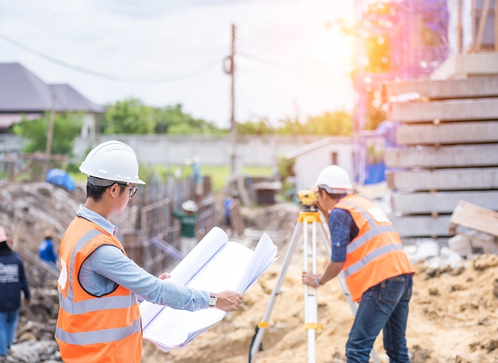
Developers and property owners often need clarity about project scope, sequencing, utilities, grading, and costs. These answers explain the essential considerations behind professional site development work in Fort Collins.
What does a site development contractor handle?
A site development contractor may manage clearing, excavation, mass grading, drainage, utility trenching, building pad preparation, access roads, soil compaction, and material hauling. The exact responsibilities depend on engineering plans, property conditions, permits, and the overall construction scope.
How does site development differ from site preparation?
Site preparation generally makes ground ready for construction through clearing, grading, and compaction. Site development covers a broader process that may also include utility corridors, drainage systems, access routes, building pads, roadwork preparation, and coordinated earthwork across the property.
When should site development planning begin?
Planning should begin after preliminary designs are available and before major construction mobilization. Early evaluation of grades, utilities, drainage, soil conditions, access, and material balance helps identify conflicts and establish a more efficient sequence for excavation and development work.
What factors affect site development costs?
Costs depend on property size, soil conditions, excavation volume, rock, clearing requirements, utility depth, drainage design, hauling distances, equipment needs, and grading complexity. Detailed plans and a physical site review provide the strongest basis for an accurate project estimate.
Can site development include roads and property access?
Yes, site development can include clearing and grading routes for temporary construction access, private roads, driveways, parking areas, and equipment staging. Proper excavation, drainage, compaction, and base preparation help create stable access throughout construction and future property use.