- Home
- Utility Trenching
Utility Trenching in Fort Collins, CO
Class 5 Excavating prepares precise underground routes for water, sewer, electrical, gas, and communication systems across Fort Collins.
Explore Our Services
Ready to Start Your Excavation?
Tell us about your project, property needs, and timeline to receive clear guidance and dependable next steps.
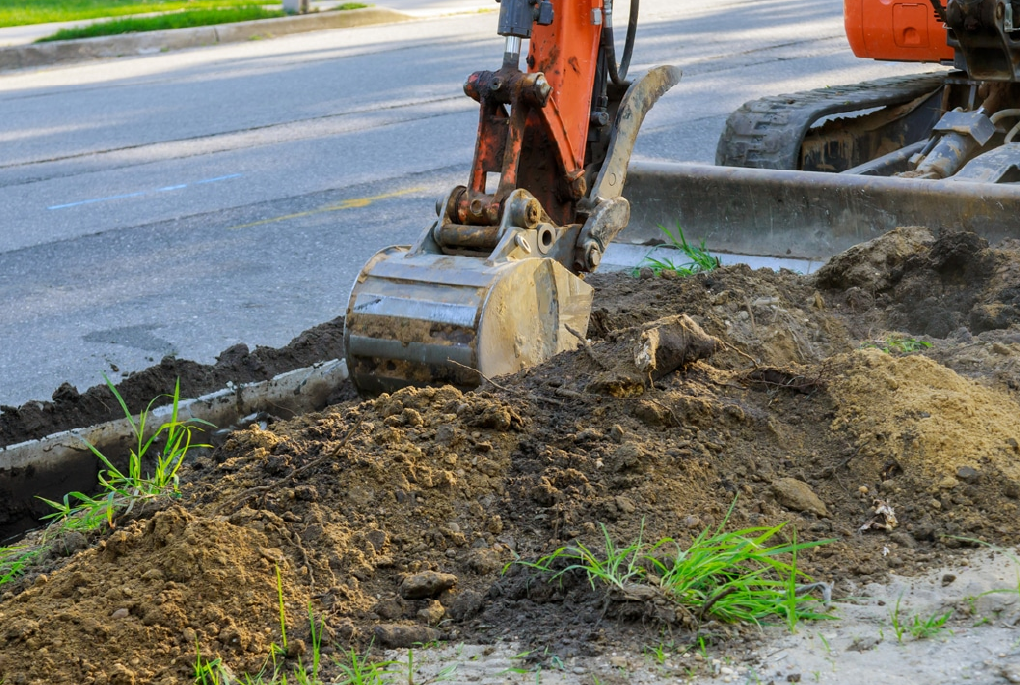
Purpose-Built Trenches for Reliable Utility Connections
Professional utility trenching in Fort Collins, CO requires more than reaching a specified depth. Class 5 Excavating studies utility plans, marked infrastructure, soil composition, connection points, required slopes, bedding needs, and equipment access before opening the ground.
Our operators excavate controlled pathways for water service lines, sewer laterals, electrical conduit, gas piping, and communication systems. We manage trench dimensions, spoil placement, bedding preparation, backfilling, and compaction carefully, giving installers a clean working corridor while protecting surrounding structures, access routes, and finished property areas.
Utility Routes Planned for Accuracy and Protection
Underground infrastructure performs best when trench depth, alignment, support, and backfill are handled correctly. Class 5 Excavating combines careful route planning, skilled machinery operation, and responsive trade coordination to deliver utility trenching in Fort Collins, CO with fewer installation conflicts and cleaner site recovery.
Installation-Ready Trench Layouts
We maintain required alignments, depths, slopes, clearances, and connection points for each underground utility system.
Careful Backfill Preparation
Suitable materials are placed and compacted methodically to protect installed lines and reduce future surface settlement.
Our crew coordinates with plumbers, electricians, utility contractors, builders, and property owners throughout the excavation process. Whether the project connects to new construction or replaces aging infrastructure, we keep trench access, material handling, utility excavation, and surface restoration aligned with the complete installation plan.
Better Protection for Buried Infrastructure
Professional utility trenching supports accurate installation, dependable line protection, efficient inspections, and stronger surface restoration. Proper excavation dimensions and controlled backfilling reduce settlement risks while helping water, sewer, electrical, gas, and communication systems perform reliably underground.
- Accurate Utility Alignment
- Consistent Trench Depth
- Protected Underground Lines
- Controlled Surface Recovery
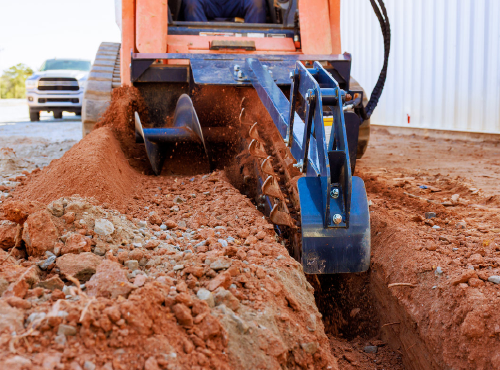
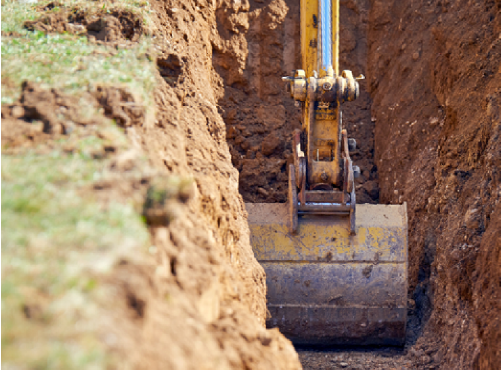
Utility Trenching Questions Before Installation Begins
Utility trenching involves depth, separation, utility marking, soil conditions, inspections, and backfilling. These answers help Fort Collins property owners and contractors prepare underground installation projects correctly.
What utilities can be installed through trenching?
Utility trenches can accommodate water service lines, sewer laterals, electrical conduit, gas piping, communication cables, irrigation lines, and other underground systems. Each installation requires suitable depth, width, separation, bedding, and routing based on plans and project specifications.
How is utility trenching different from general trenching?
General trenching services may support drainage, irrigation, footings, or other underground work. Utility trenching specifically creates installation corridors for essential infrastructure, requiring closer attention to utility separation, connection points, protective bedding, inspections, and long-term line access.
Who arranges underground utility markings before digging?
Existing underground lines should be located and marked before excavation begins. The responsible party may vary by project, but utility marking must be completed before digging to reduce risks involving gas, water, sewer, electrical, and communication infrastructure.
What type of material is used to backfill utility trenches?
Backfill material depends on the installed utility, soil conditions, engineering requirements, and surface use. Suitable native soil, sand, aggregate, or specified fill may be placed in controlled layers and compacted to protect lines and limit future settlement.
How much does utility trenching cost in Fort Collins, CO?
Cost depends on trench length, depth, soil or rock conditions, utility type, access, spoil handling, bedding requirements, inspections, backfilling, and surface restoration. An on-site review helps Class 5 Excavating calculate the equipment and labor required.