
- Home
- Septic Replacement
Septic System Replacement in Fort Collins, CO
Class 5 Excavating provides organized excavation for removing outdated components and preparing properties for dependable replacement septic systems.
Explore Our Services
Ready to Start Your Excavation?
Tell us about your project, property needs, and timeline to receive clear guidance and dependable next steps.
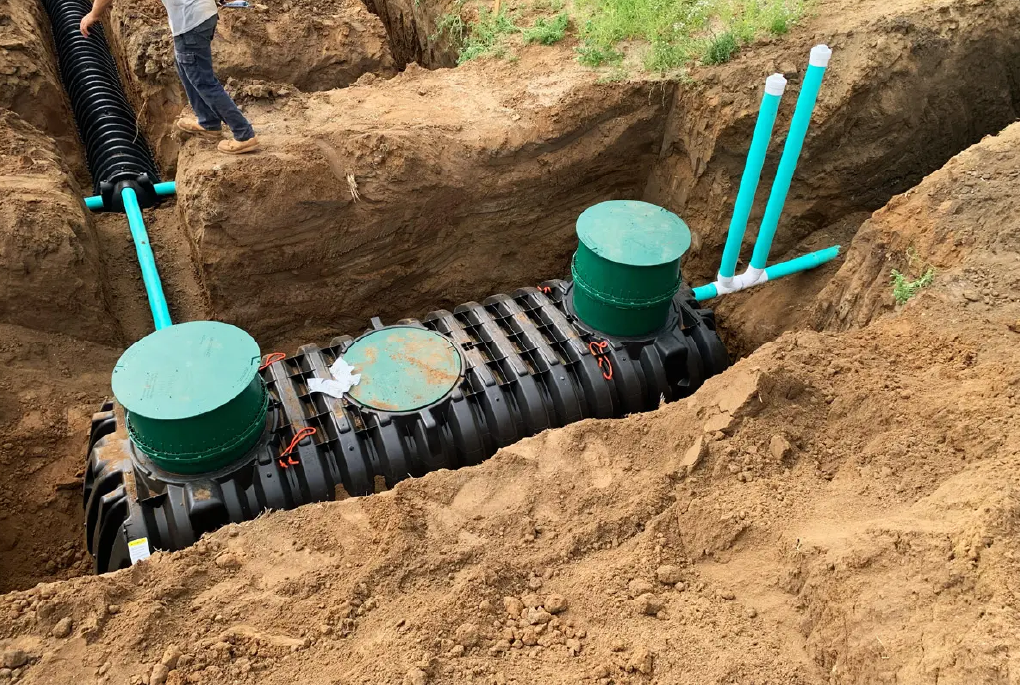
Reworking an Existing Site for a New Septic System
Professional septic system replacement in Fort Collins, CO requires careful access around aging components, active connections, established landscaping, and previously disturbed soil. Class 5 Excavating reviews the replacement design, existing tank location, line routes, property access, soil conditions, and material disposal needs before excavation begins.
Our crew exposes old components, supports tank removal, prepares new excavations and trenches, and manages disturbed soil throughout the project. After installation and inspection, we complete backfilling and grading around the replacement system.
Replacement Excavation Without Losing Site Organization
Removing and rebuilding septic infrastructure can disrupt established property areas if the work lacks coordination. Class 5 Excavating provides septic system replacement in Fort Collins, CO with defined equipment routes, controlled excavation boundaries, and practical planning for component removal, new installation, and surface recovery.
Existing Component Access
We expose tanks, lines, and connection areas carefully so septic professionals can evaluate, disconnect, remove, or abandon components.
Replacement Area Preparation
New tank locations and trenches are excavated according to the approved replacement layout, required depths, and installer specifications.
Replacement projects may involve septic system repair, new utility connections, soil import, drainage correction, or changes to the original system footprint. Our team coordinates material handling, access, excavation, and restoration so the property can transition from failing infrastructure to a properly prepared replacement system.
A Cleaner Transition From Old to New
Professional replacement excavation improves removal access, new component placement, soil management, and property restoration. Careful sequencing reduces confusion around active lines, old tanks, inspections, backfill, and grading while creating suitable ground conditions for the updated septic system.
- Controlled Component Removal
- Accurate Replacement Excavation
- Organized Soil Management
- Practical Surface Recovery
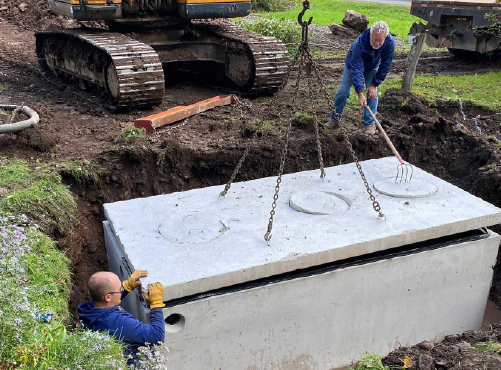
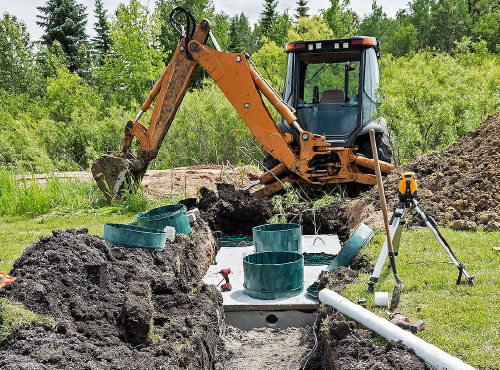
Septic Replacement Questions Before Work Starts
Replacing a septic system involves old component removal, revised layouts, inspections, soil handling, and property restoration. These answers clarify the excavation considerations Fort Collins owners should understand before replacement begins.
When does a septic system need replacement instead of repair?
Replacement may be recommended when tanks, lines, distribution components, or treatment areas are extensively damaged, outdated, undersized, or unable to function reliably. A qualified septic professional should evaluate the system and determine the appropriate solution.
Does the old septic tank have to be removed?
Requirements vary according to the replacement plan and condition of the existing tank. Some tanks may be removed, while others may be properly abandoned. Excavation follows the direction of the approved project and septic professionals.
Can the replacement system use the same location?
The replacement design may reuse part of the existing area or establish a different location based on soils, setbacks, access, system condition, and available space. Excavation must follow the approved replacement layout.
How is the property restored after septic replacement?
After inspection and approval, excavated areas are backfilled, compacted where appropriate, and reshaped to practical elevations. Additional topsoil, finish grading, drainage correction, or landscape restoration may be required depending on the property.
What makes septic replacement excavation more complex?
Complexity can increase because of existing tanks, active lines, limited access, mature landscaping, prior soil disturbance, rock, revised component locations, and removal requirements. Careful sequencing helps keep old and new system work organized.