
- Home
- Septic Repair
Septic System Repair in Fort Collins, CO
Class 5 Excavating creates targeted access to damaged septic tanks, lines, connections, and underground components requiring professional repair.
Explore Our Services
Ready to Start Your Excavation?
Tell us about your project, property needs, and timeline to receive clear guidance and dependable next steps.
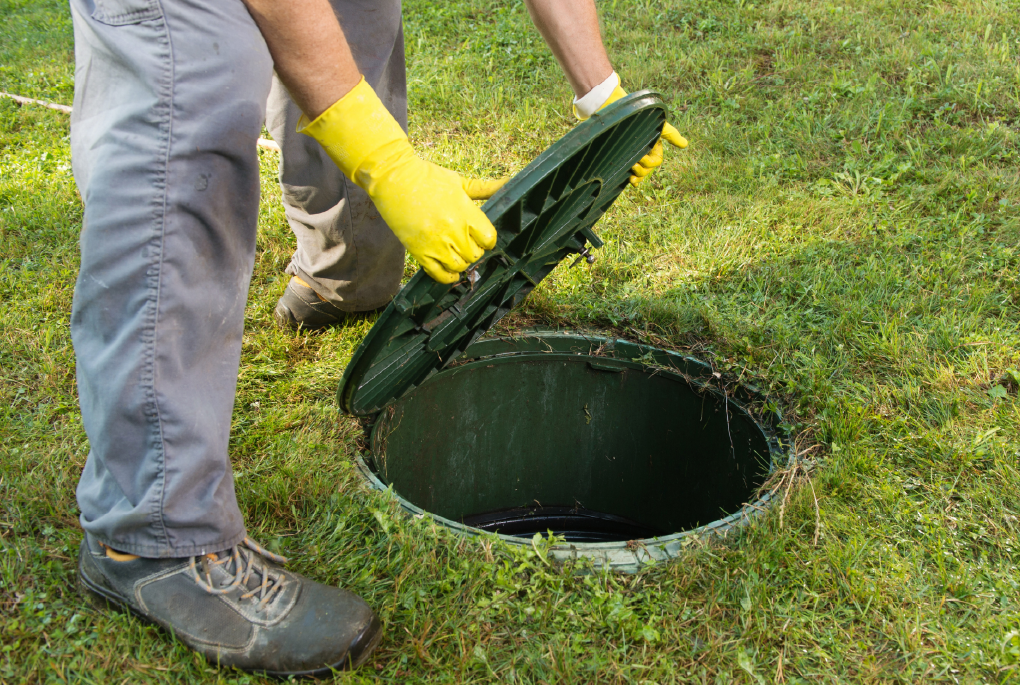
Focused Excavation Where Septic Problems Are Located
Effective septic system repair in Fort Collins, CO requires reaching the affected component without disturbing more ground than necessary. Class 5 Excavating reviews known system locations, repair findings, access limitations, soil conditions, nearby utilities, and surface features before selecting an excavation approach.
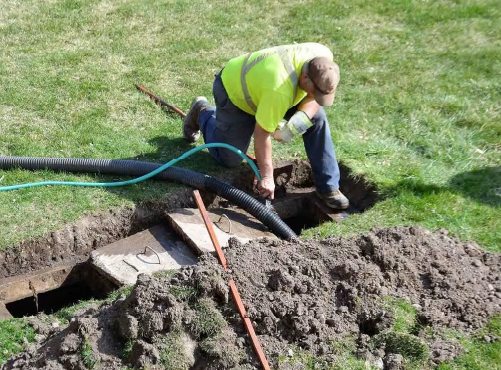
Our operators expose tanks, pipes, distribution points, and damaged connections for septic technicians. Once repairs and inspections are complete, we restore the excavation using suitable backfill, controlled compaction, soil redistribution, and grading based on the repaired area and surrounding property.
Repair Access Created With Accuracy and Restraint
Targeted digging helps protect usable landscaping, driveways, structures, and unaffected system areas. Class 5 Excavating provides septic system repair in Fort Collins, CO with careful equipment positioning, defined excavation limits, and clear coordination with septic professionals completing the underground repair.
Precise Problem Area Exposure
We uncover identified tanks, pipes, fittings, or distribution components while maintaining practical access for repair technicians.
Responsible Ground Reinstatement
After repair approval, we backfill and reshape disturbed areas to reduce settlement and restore workable surface elevations.
Some repairs reveal broader deterioration that may require septic system replacement or additional line excavation. Our team remains adaptable as the underground condition becomes visible, helping property owners and septic contractors manage access, soil, equipment, and restoration without losing control of the work area.
Faster Access With Less Unnecessary Disturbance
Professional repair excavation gives septic technicians clear access while limiting avoidable digging. Controlled exposure, organized spoil placement, and careful restoration help protect nearby property features and create better conditions for repairing damaged tanks, pipes, connections, or distribution components.
- Targeted Repair Access
- Limited Ground Disturbance
- Clear Technician Workspace
- Organized Site Restoration
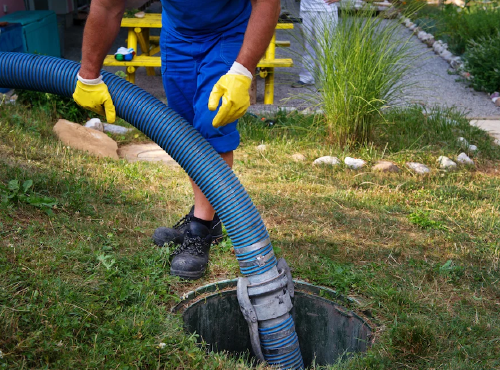
Septic Repair Questions About Excavation and Recovery
Septic repairs often begin below finished lawns, driveways, or established property areas. These answers explain how targeted excavation supports diagnosis, repair access, backfilling, and surface restoration in Fort Collins.
What septic repairs may require excavation?
Excavation may be needed to reach cracked tanks, damaged pipes, separated joints, blocked connections, distribution components, or inaccessible lids. The required opening depends on the confirmed problem, system layout, depth, and repair method.
How do you know where to excavate for a septic repair?
Excavation locations should be based on system records, professional diagnosis, inspection findings, locating equipment, or exposed component measurements. Accurate information reduces unnecessary digging and helps the crew create access where the repair is actually needed.
Can septic repair excavation be completed in a landscaped yard?
Yes, though some disturbance is unavoidable. Equipment size, access routes, excavation limits, spoil placement, irrigation lines, trees, hardscaping, and restoration goals are reviewed to reduce impact on unaffected property areas.
What happens if additional damage is discovered?
The septic professional may revise the repair scope, expose additional components, or recommend replacement. Class 5 Excavating can adjust the excavation area and soil handling plan once the newly discovered condition is assessed.
Will the repaired area settle afterward?
Some settlement can occur where soil has been disturbed. Suitable backfill, controlled placement, and appropriate compaction help reduce excessive movement, although final topsoil or minor grading adjustments may be needed after the ground stabilizes.