
- Home
- Rough Grading
Rough Grading in Fort Collins, CO
Class 5 Excavating shapes slopes, elevations, drainage paths, and construction surfaces for dependable property development throughout Fort Collins.
Explore Our Services
Ready to Start Your Excavation?
Tell us about your project, property needs, and timeline to receive clear guidance and dependable next steps.
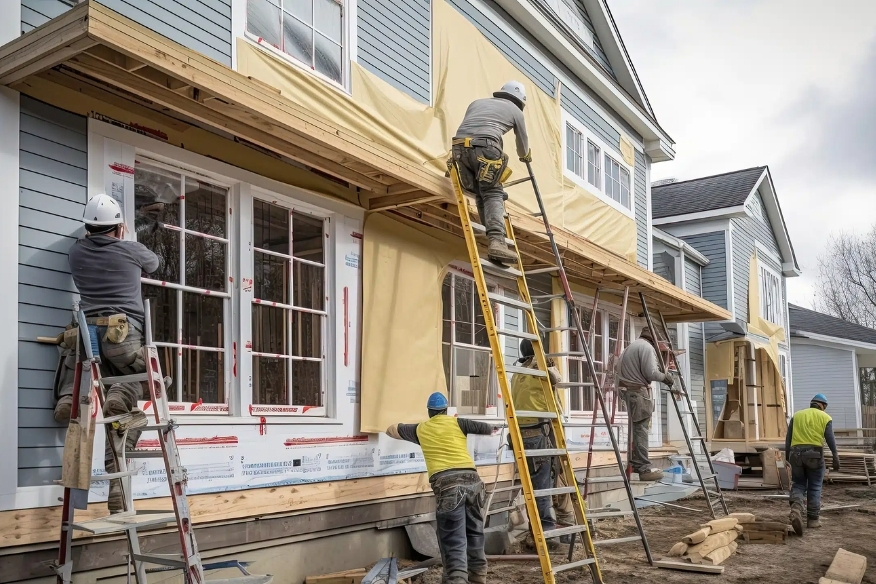
Shaping the Site Before Precision Work Begins
Professional rough grading in Fort Collins, CO establishes the broad contours that guide drainage, construction access, building placement, and future finish work. Class 5 Excavating reviews site plans, existing elevations, soil conditions, runoff patterns, and proposed improvements before moving or redistributing material.
Our operators use capable equipment to cut high areas, fill low sections, form slopes, and prepare preliminary building surfaces. By coordinating earthmoving, soil placement, compaction, and drainage shaping, we create practical site conditions for foundations, driveways, utilities, roads, landscaping, and later finish grading.
Grade Control That Supports Every Next Step
Choosing Class 5 Excavating means working with operators who understand how early elevation decisions affect drainage, access, structures, and final surfaces. Our approach to rough grading in Fort Collins, CO combines accurate plan interpretation, controlled material movement, and careful coordination with upcoming construction activities.
Purposeful Elevation Shaping
We create functional slopes and preliminary elevations that support drainage, structural preparation, access, and future surface installation.
Balanced Soil Placement
Excavated material is redistributed strategically to reduce unnecessary hauling while developing stable, usable contours across the property.
Rough grading provides the framework for site preparation, foundation work, utility trenching, drainage systems, and roadway construction. Our crew monitors transitions, runoff direction, soil consistency, and equipment access throughout the process, helping each area remain compatible with engineered plans and the project’s final design.
Early Grading Creates Lasting Advantages
Accurate rough grading improves drainage, construction access, elevation control, and material efficiency. Properly shaped ground helps prevent standing water, reduces unnecessary soil handling, and prepares the property for foundations, utilities, roads, landscaping, and final surface refinement.
- Controlled Site Elevations
- Improved Drainage Direction
- Efficient Material Placement
- Stronger Construction Access


Rough Grading Questions for Better Site Planning
Understanding slopes, soil movement, compaction, and drainage helps property owners plan grading work confidently. These answers explain how rough grading supports construction and land improvement projects across Fort Collins.
What is rough grading used for?
Rough grading establishes the property’s general elevations, slopes, drainage paths, building areas, roads, and access routes. It prepares the site for foundations, utilities, concrete, landscaping, and finish work by moving soil into broad contours based on construction plans.
What is the difference between rough grading and finish grading?
Rough grading creates the basic shape, elevation, and drainage pattern of the property. Finish grading refines those surfaces with greater precision, producing smoother areas for lawns, landscaping, pavement, concrete, gravel, or other completed property features.
Can rough grading improve drainage around a property?
Yes, rough grading can redirect runoff, correct low areas, form drainage swales, and create positive slopes away from buildings. Proper elevation shaping helps reduce standing water, soil erosion, foundation moisture, and drainage problems before final surfaces are installed.
How much does rough grading cost in Fort Collins, CO?
Pricing depends on property size, soil volume, slope changes, equipment access, compaction needs, hauling requirements, and drainage specifications. An on-site evaluation allows Class 5 Excavating to calculate the machinery, labor, and material movement required.
When should rough grading occur during construction?
Rough grading typically occurs after clearing and major excavation but before foundations, roads, utilities, landscaping, and final grading are completed. The exact sequence depends on construction plans, drainage requirements, site access, inspections, and coordination with other contractors.