- Home
- Utility Excavation
Utility Excavation in Fort Collins, CO
Class 5 Excavating provides controlled underground access for utility installation, repair, replacement, and infrastructure improvement projects across Fort Collins.
Explore Our Services
Ready to Start Your Excavation?
Tell us about your project, property needs, and timeline to receive clear guidance and dependable next steps.
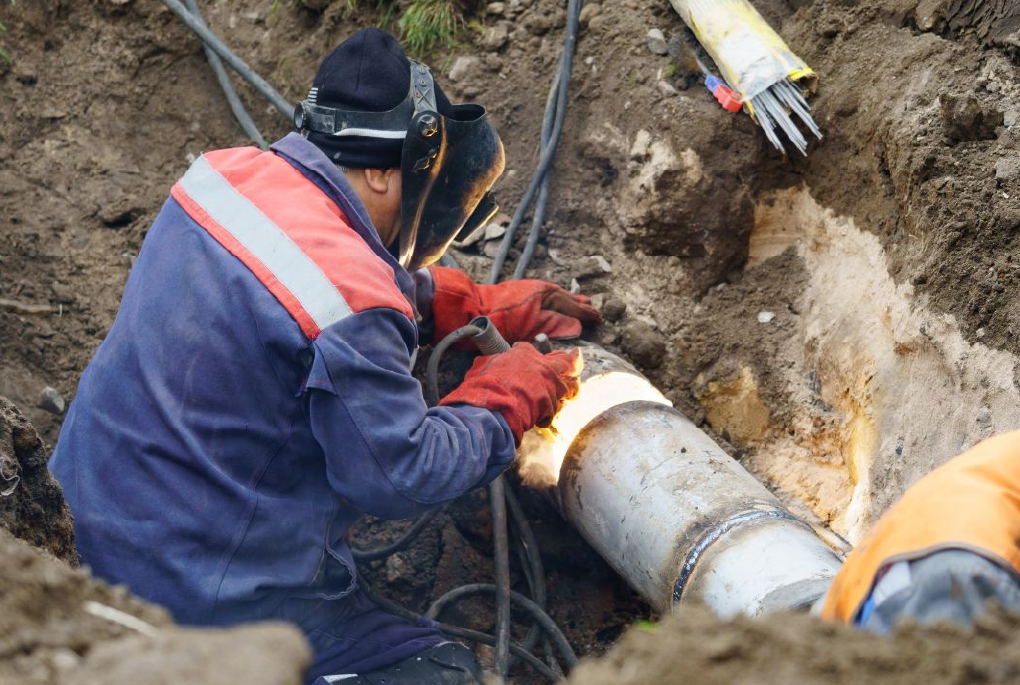
Opening the Ground Without Compromising the System
Professional utility excavation in Fort Collins, CO begins with verified routes, marked infrastructure, accurate depths, and a clear understanding of the work below grade. Class 5 Excavating reviews site access, soil conditions, connection points, existing services, and restoration requirements before equipment reaches the excavation area.
Our operators expose or create access for water lines, sewer laterals, electrical conduit, gas piping, communication systems, and other buried infrastructure. Careful spoil placement, trench support, bedding preparation, and controlled digging help utility contractors complete installations and repairs within an organized, accessible workspace.
Underground Access Managed With Deliberate Control
Utility projects can affect active services, finished surfaces, nearby structures, and construction schedules. Class 5 Excavating brings careful planning, responsive coordination, and experienced equipment operation to utility excavation in Fort Collins, CO, helping installers reach buried components while limiting unnecessary ground disturbance.
Careful Infrastructure Exposure
We uncover existing lines methodically, protecting marked utilities and creating practical access for inspection, repair, or replacement work.
Coordinated Surface Recovery
Backfilling, compaction, and grading are organized around the installed utility and the final use of the disturbed area.
Whether the work supports a new building, aging service line, drainage connection, or infrastructure upgrade, our crew coordinates with plumbers, electricians, utility specialists, and property owners. We can also provide utility trenching, dirt work, and finish restoration support to keep the entire underground phase moving efficiently.
Stronger Results Above and Below Grade
Professional utility excavation improves access, installation accuracy, line protection, and surface restoration. Controlled digging reduces avoidable conflicts, while suitable bedding, backfill, compaction, and grading help buried systems remain supported beneath driveways, lawns, buildings, and developed property areas.
- Controlled Utility Access
- Protected Existing Infrastructure
- Organized Soil Handling
- Reliable Surface Restoration
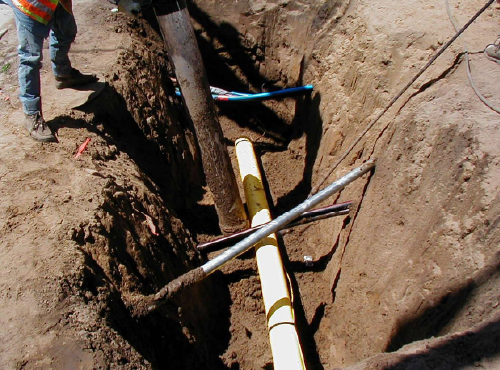
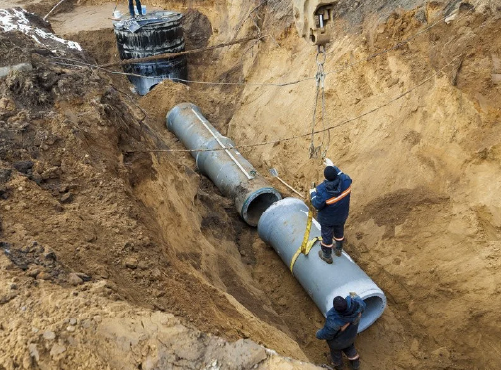
Utility Excavation Questions Worth Answering Early
Underground projects involve service locations, trench dimensions, access restrictions, inspections, and restoration. These answers explain key considerations for Fort Collins property owners and contractors planning utility excavation work.
What types of utility excavation does Class 5 Excavating handle?
Class 5 Excavating provides excavation for water lines, sewer laterals, electrical conduit, gas piping, communication cables, irrigation systems, and related underground infrastructure. Work may support new installation, inspection, repair, replacement, connection changes, or complete property development.
How is utility excavation different from utility trenching?
Utility trenching usually creates a defined pathway for installing a new line. Utility excavation can include broader access around damaged, existing, or interconnected infrastructure, allowing contractors to inspect components, complete repairs, replace sections, and reach connection points safely.
Can utility excavation be completed near buildings or finished areas?
Yes, although restricted spaces require careful equipment selection, route planning, spoil placement, and surface protection. Nearby foundations, pavement, landscaping, fences, and utilities are evaluated before digging so disturbance can be limited wherever property conditions allow.
What happens after the utility work is completed?
Once installation, repair, and required inspection are finished, the excavation is backfilled with suitable material. Controlled compaction reduces settlement, while grading restores practical elevations for landscaping, gravel, pavement, concrete, or continued construction.
What determines utility excavation pricing in Fort Collins?
Cost is influenced by digging depth, excavation size, utility type, soil or rock conditions, equipment access, spoil hauling, bedding, backfill, compaction, and restoration needs. A site review helps establish the labor and machinery required.